School & daily support
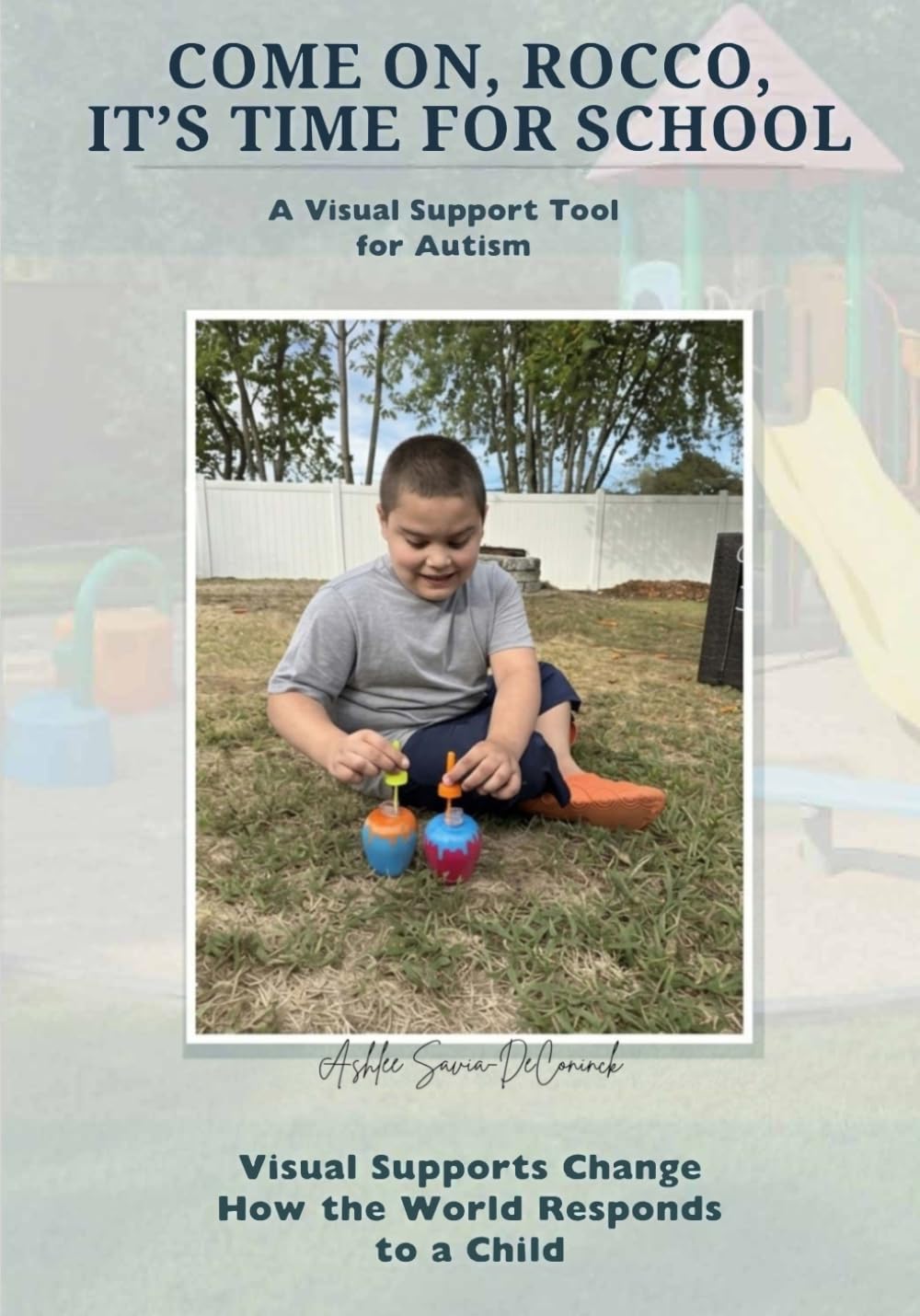
Come On, Rocco, It’s Time for School
Visual support for communication, regulation, transitions, safety, and stronger collaboration across home and school.
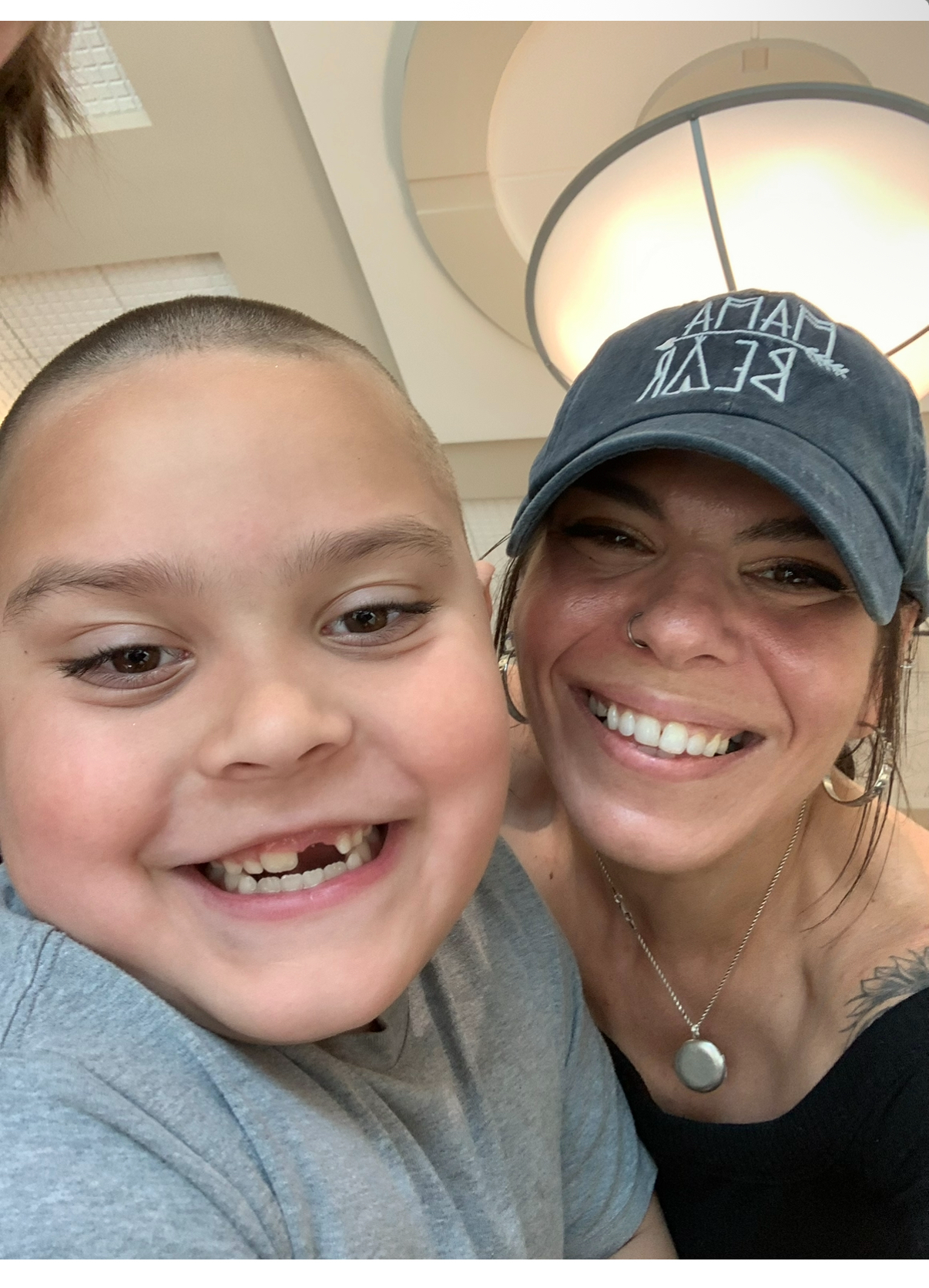
Created from lived experience
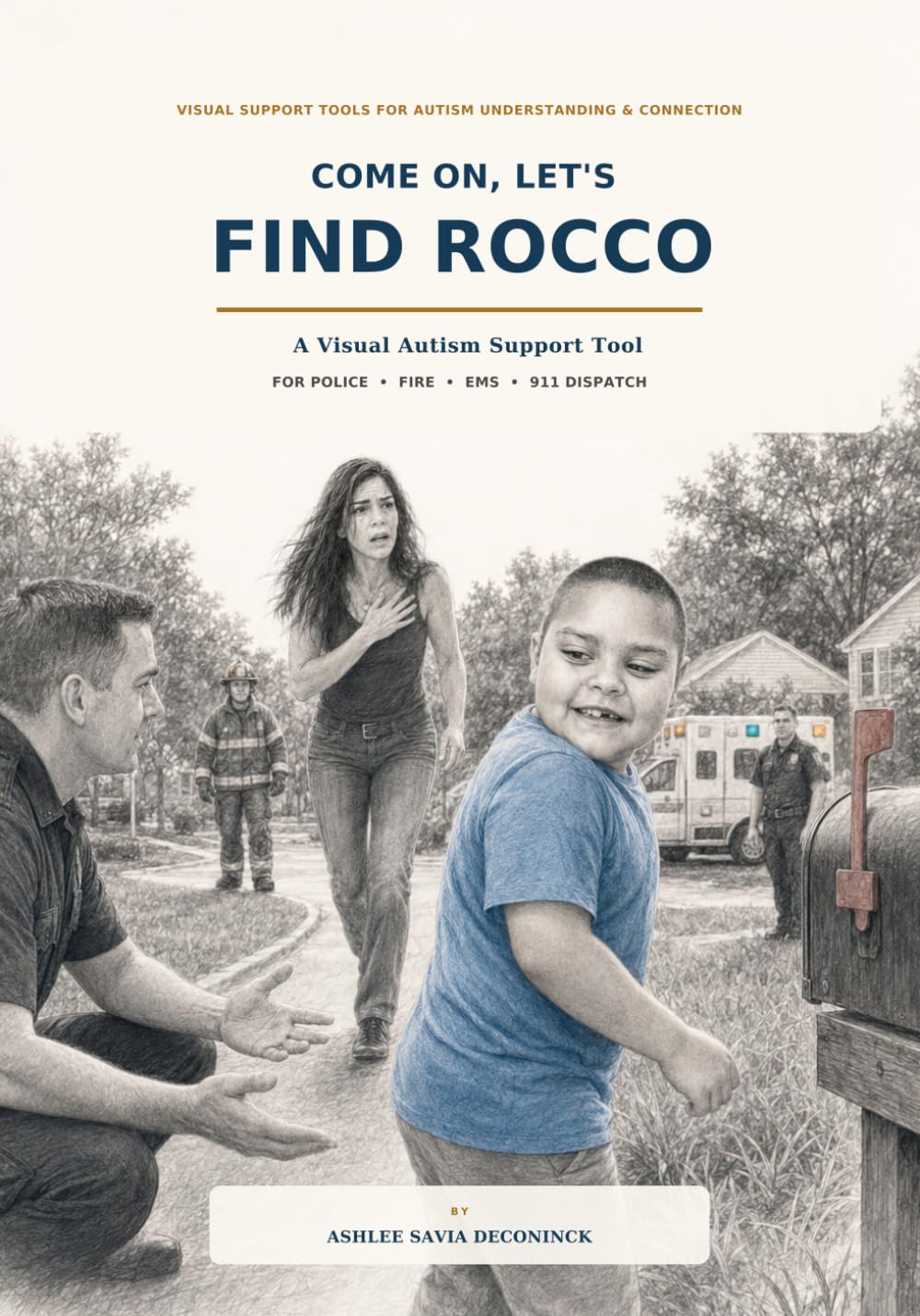
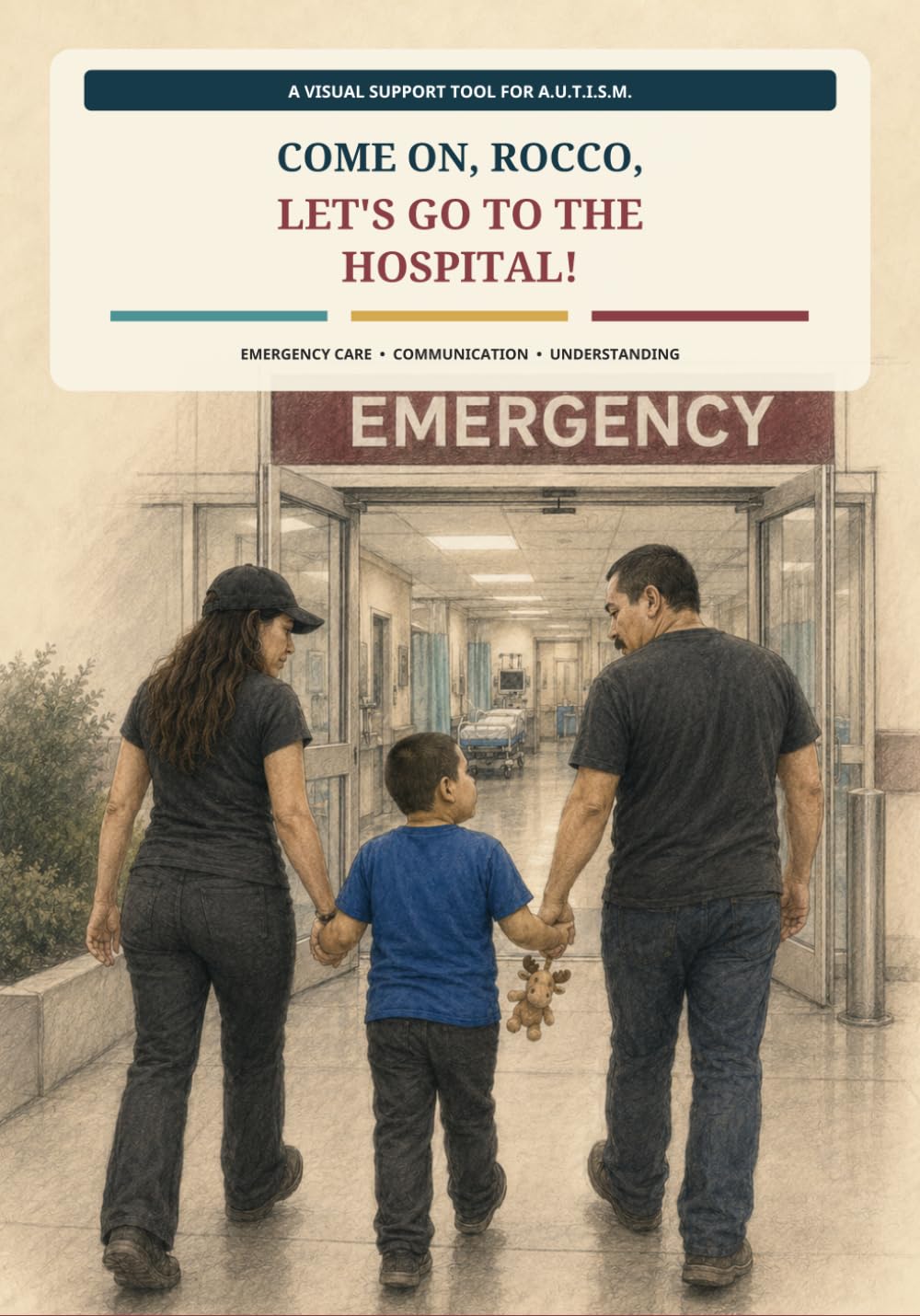
Three visual autism support tools for the moments when understanding matters most: school, first response, and emergency care.
Available in paperback through Amazon.
Three settings. One purpose.
Clear support before words become a barrier.
Understanding the person before interpreting the behavior.
Created from lived experience; designed to complement professional practice and individualized support.
Choose the setting
Every setting is different. Choose the complete resource or begin with four practical, print-ready sample pages pulled directly from the planning, safety, and communication tools inside each book.
School & daily support
Visual support for communication, regulation, transitions, safety, and stronger collaboration across home and school.
Police, fire, EMS & 911
Created from a real elopement to support safer searching, approaching, communication, and reunification.
Emergency & clinical care
Visual preparation and communication support for sensory overload, fear, and unfamiliar medical encounters.
Recognition & response
These words reflect acknowledgment, publication, and professional response. They are presented with their original context and do not imply endorsement, clinical validation, or adoption.
“Your efforts to turn personal challenges into guidance for caregivers and educators reflect compassion, purpose, and leadership.”
Formal White House correspondence, January 27, 2026
“It looks like you have developed an outstanding program!”
Written response from state police training leadership after review
“Your love and dedication to helping others better understand individuals with ASD is inspiring.”
Written response from a national autism foundation
“What It’s Like Being the ‘Regular Mom’ Trying to Create Real Change” appeared in the April 2026 Autism Annual Issue.
A local pediatric practice used this phrase during an in-person review of the school resource.
What is autism? One diagnosis, two different children
“Autism spectrum disorder (ASD) is a developmental disability caused by differences in the brain.”
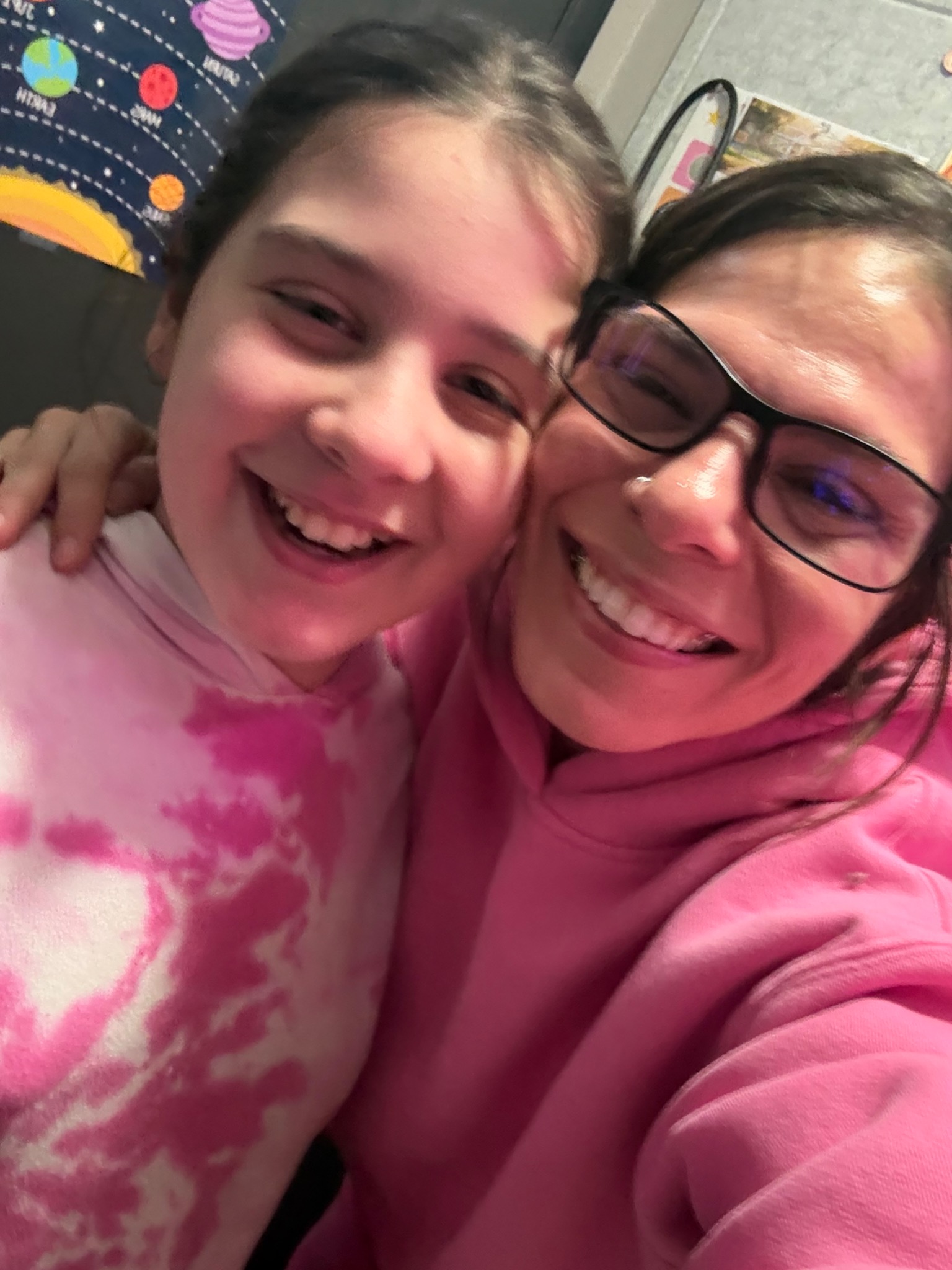
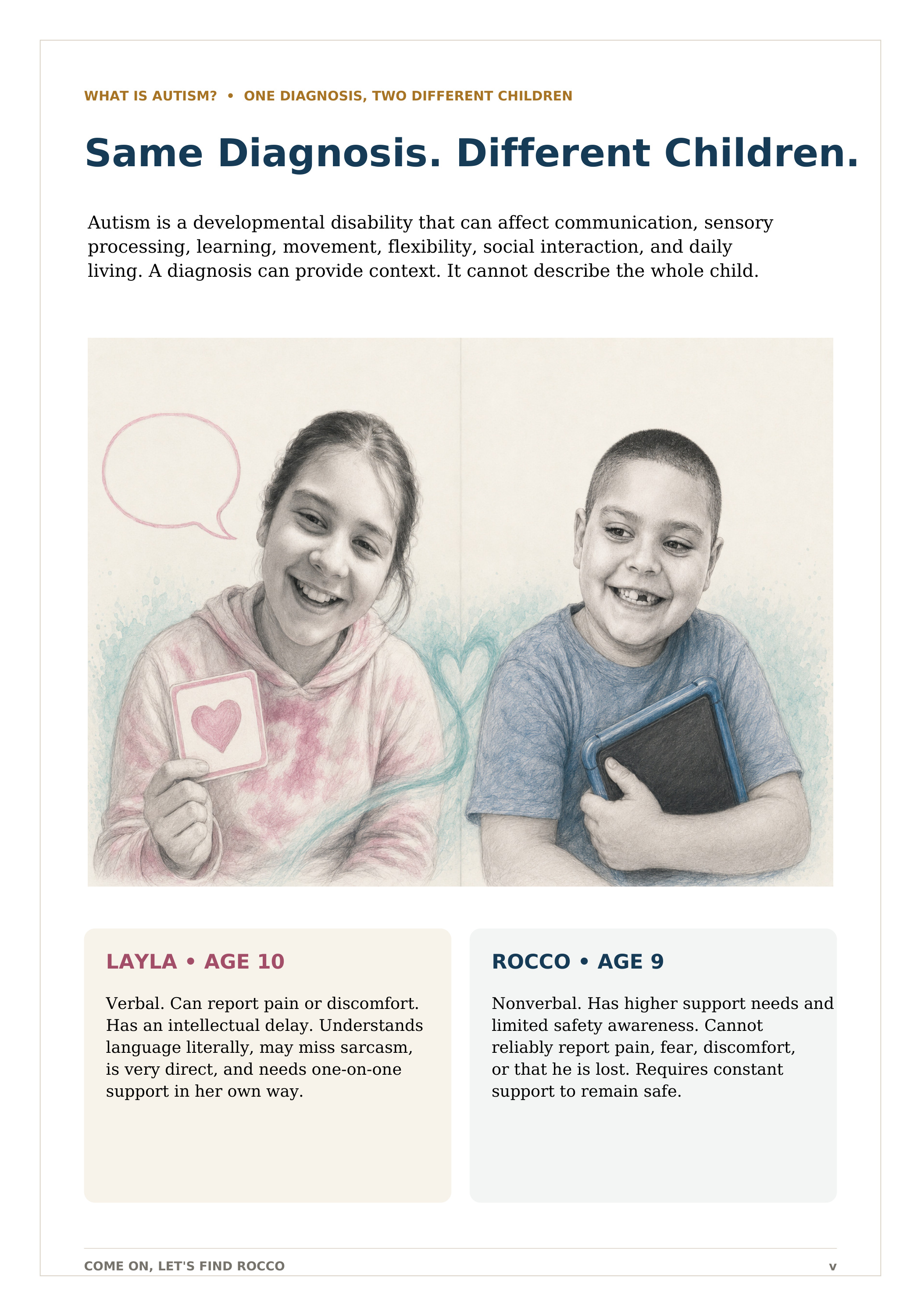
Clinical definition: Centers for Disease Control and PreventionLayla and Rocco are close-in-age siblings. Both fit the same clinical definition. Both carry the same diagnosis. Yet their communication, regulation, learning, safety, pain, and daily-living needs are not interchangeable.
A diagnosis can provide context. It cannot describe the whole child.
Same clinical definition.Same diagnosis.Drastically different support needs.
Community access
Individuals, families, businesses, and organizations can help place these tools in schools, first responder agencies, hospitals, pediatric offices, and community programs.
Every sponsorship helps place a physical resource where it can support understanding, communication, safety, and dignity.
Sponsorships support Ashlee’s purchase and placement of physical copies in community settings. They are not represented as tax-deductible charitable contributions.